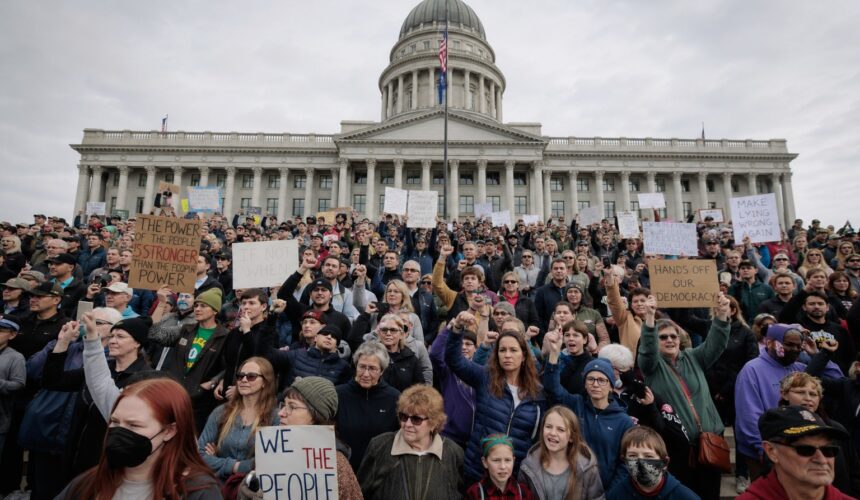
More than 600 people climbed the steps of the Utah State Capitol over the weekend with a single, shared demand: stop a data center the size of a small county before it ever breaks ground. The rally, one of the largest environmental demonstrations the state has seen in years, targeted a sprawling 40,000-acre project backed by Shark Tank investor Kevin O’Leary – and it has turned a quiet corner of northern Utah into a statewide fight over water, power, and who gets to decide.
What Is the Stratos Project?
The project is officially called the Stratos Project, but locals know it by its flashier nickname: “Wonder Valley,” a nod to O’Leary’s “Mr. Wonderful” persona from the hit show Shark Tank. The Canadian investor has pitched the campus as a critical piece of national infrastructure – a massive complex of artificial-intelligence data centers that he says the country needs to stay competitive.
The scale is staggering. At more than 40,000 acres in Box Elder County, the development would stretch across an area more than two and a half times the size of Manhattan, sitting along the north shore of the Great Salt Lake. Data centers of this size consume enormous amounts of electricity and water – and that is exactly what has residents alarmed.
Why Utahns Are Fighting Back
The Box Elder County Commission approved the proposal earlier this month, and the decision lit a fuse. Protesters argue the plan was rushed through with too little public input and too few answers about its long-term impact on a region already stretched thin on resources.
The single biggest fear is water. The Great Salt Lake has been shrinking for years, its retreating shoreline exposing dry lakebed that can send toxic dust into the air across the Wasatch Front. Critics warn that a facility this large could pull even more water away from the lake, accelerate its decline, and worsen air quality for hundreds of thousands of people. Speakers at the rally also raised concerns about soaring power demand and a rising carbon footprint tied to the round-the-clock operation of AI server farms.
Both Sides Dig In
O’Leary and other supporters of the project argue the campus is essential for national security and would deliver jobs and investment to a rural part of the state that could use both. They frame the data center as the kind of forward-looking infrastructure America cannot afford to fall behind on.
Opponents counter that no number of jobs is worth gambling on the survival of the Great Salt Lake, a body of water tied to the region’s weather, wildlife, and public health. A local group called BEAR – the Box Elder Accountability Referendum – has formed with one clear goal: put the project’s future to a public vote rather than leaving it in the hands of a county commission.
What This Means for Americans
The fight in Utah is a preview of a battle playing out across the country. As the AI boom drives demand for ever-larger data centers, communities everywhere are being asked to weigh the promise of investment against the strain these facilities place on local water and power. The question Box Elder County residents are now confronting – who decides, and at what cost – is one a lot more towns will be asking soon.
Stay informed on the stories that matter most. Follow Here’s What Happened on Facebook and bookmark hereswhathappened.news for breaking news and analysis.