A federal judge in Washington, D.C. has ordered President Trump’s name removed from the John F. Kennedy Center for the Performing Arts, ruling that only Congress has the authority to rename the institution it created. The decision, handed down Friday, also temporarily blocks a plan to close the famed performing arts landmark for a two-year renovation.
The ruling marks a striking legal setback for an effort that had quietly reshaped one of the nation’s most recognizable cultural institutions, and it hands a significant victory to the lawmaker who challenged it in court.
How the Fight Began
The dispute traces back to December 2025, when the Kennedy Center’s board voted to add President Trump’s name to the facility. The move followed a broader shakeup at the institution and was quickly followed by an announcement that the center would shut its doors for roughly two years to undergo extensive renovations.
The Kennedy Center is not an ordinary venue. It was established by an act of Congress as a living memorial to President John F. Kennedy, and its name and governing structure are written into federal law. That detail would become the legal heart of the case.
The Lawsuit and the Ruling
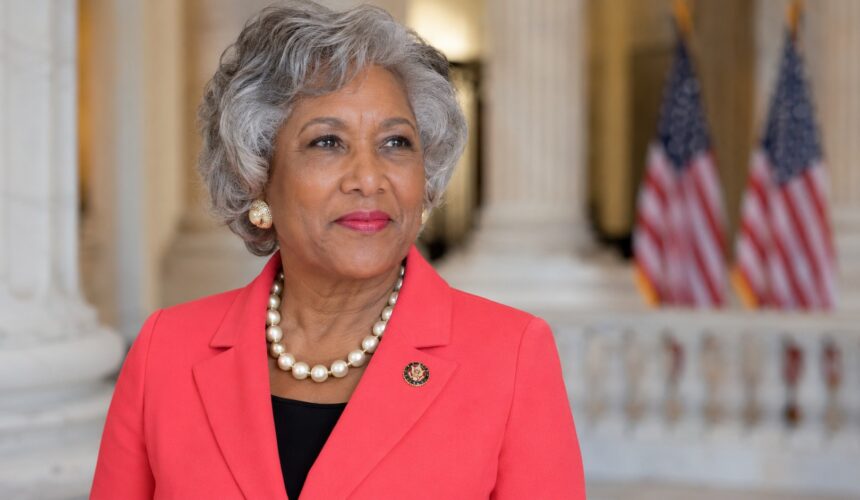
The challenge was brought on behalf of Congresswoman Joyce Beatty of Ohio, an ex-officio member of the Kennedy Center’s board. Late last year, attorneys filed suit in the U.S. District Court for the District of Columbia, asking the court to declare the renaming vote unlawful and to order the removal of the new signage and branding.
The judge agreed. In a pointed line that quickly drew attention, the court wrote that “Congress gave the Kennedy Center its name, and only Congress can change it.” The order gives officials two weeks to strip the president’s name from the building’s facade and signage and temporarily halts the planned two-year closure.
The judge went further, ordering that Beatty’s voting rights as a trustee be restored. The ruling noted that the center’s governing statute “makes no distinction” between the powers of general and ex-officio trustees, rejecting the idea that the board could strip an ex-officio member of a fundamental trustee right.
Reactions and What Comes Next
Supporters of the decision have framed it as a clear check on executive power and a reaffirmation that institutions created by Congress cannot be unilaterally remade. To them, the ruling is a straightforward application of the law: the legislature wrote the rules, and the board overstepped them.
Critics counter that a single district judge should not be able to override decisions made by an appointed governing board, and they argue the matter is far from settled. An appeal is widely expected, which means the legal fight over the Kennedy Center’s name and future could stretch on for months.
What This Means for Americans
For most people, the Kennedy Center is a place to see a concert, a ballet, or a touring Broadway show, not the subject of a constitutional tug-of-war. But the ruling touches a bigger question that affects everyone: who gets to control the public institutions that taxpayers fund and Congress created. The outcome could set a marker for how far an appointed board or an administration can go in reshaping a federal landmark, and whether the courts will step in when they do.
Stay informed on the stories that matter most. Follow Here’s What Happened on Facebook and bookmark hereswhathappened.news for breaking news and analysis.