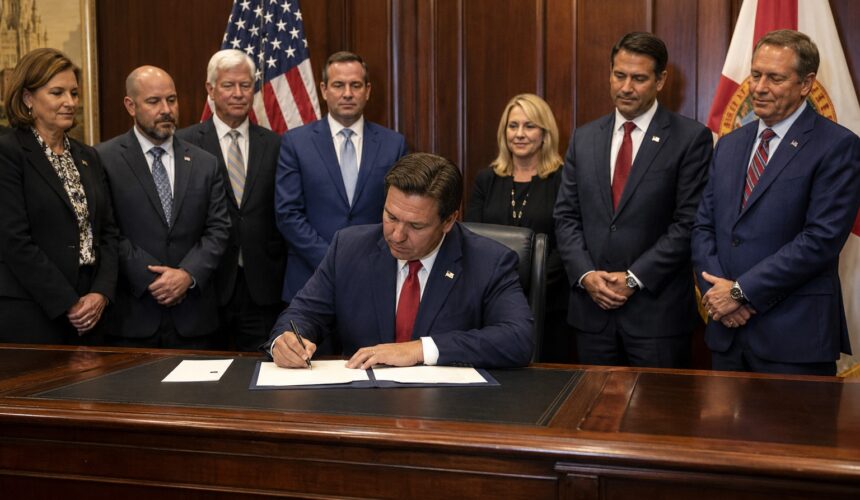
Connecticut has enacted one of the most sweeping state-level limits on federal immigration enforcement in the country. Governor Ned Lamont signed Senate Bill 397, a measure that bars Immigration and Customs Enforcement agents from making warrantless arrests inside a defined set of “protected areas” – including schools, hospitals, houses of worship, courthouses, homeless shelters, and social service offices.
What the New Law Does
Under the law, federal agents will need a warrant signed by a judge to detain someone at any of those locations for a civil immigration violation. The idea behind the “protected areas” framework is to keep places where people seek education, medical care, shelter, or worship from becoming sites of immigration enforcement.
The bill goes beyond location restrictions. It creates a path for individuals who believe their rights were violated during an immigration stop to file lawsuits against the agents involved. And in a provision that drew significant attention, it bans law enforcement officers from wearing masks while interacting with the public and requires them to clearly display a badge and a name tag.
When It Takes Effect
Most of the law took effect the moment Governor Lamont signed it. The single most significant piece – the section restricting warrantless arrests inside the protected areas – is scheduled to take effect in October, giving agencies and institutions a window to adjust their procedures before the rules become enforceable.
The phased rollout reflects how broad the law is. Hospitals, school districts, shelters, and houses of worship across the state will need to understand exactly what the protections require of them, and how they interact with federal authority.
The Debate
Supporters of the measure say it protects basic due process and ensures that essential community spaces stay accessible to everyone, regardless of immigration status. They argue that people should not have to fear arrest when dropping a child at school, visiting an emergency room, or attending a religious service. The mask ban and identification requirements, supporters say, are about transparency and accountability in how enforcement is carried out.
Critics counter that the law ties the hands of federal agents and oversteps what a single state can legally do to limit federal authority. Immigration enforcement is a federal function, and opponents contend that a state cannot carve out zones where federal officers are barred from acting. That tension has already produced talk of a court challenge, and legal scholars expect the question of state versus federal power to be central to any litigation.
What This Means for Americans
Connecticut is not the first state to test the boundaries of immigration enforcement, but SB 397 is among the most detailed efforts to define where federal agents can and cannot operate. How it holds up in court could set a marker for other states weighing similar measures. For residents, the immediate effect is a new set of rules governing some of the most sensitive public spaces in daily life – and a fresh round of debate over who gets to make those rules.
Stay informed on the stories that matter most. Follow Here’s What Happened on Facebook and bookmark hereswhathappened.news for breaking news and analysis.